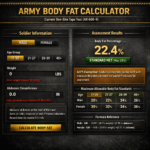
Body Fat Analyzers: Why measuring body fat matters for health and performance. Compare U.S. Navy, BMI, YMCA methods to choose the right fit.
Body Fat Analyzer
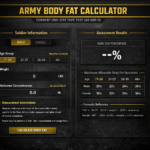
Precise calculation using Navy, BMI, and YMCA methods
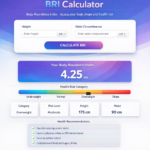
📏 How to Measure
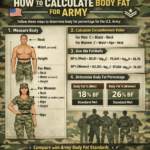
- Neck: Measure below the larynx (Adam’s apple), sloping slightly downward to the front.
- Waist (Men): Measure at the navel level.
- Waist (Women): Measure at the narrowest point of the waist (above the navel).
- Hips (Women): Measure at the widest part of the buttocks.
📋 About Methods
- U.S. Navy: Most accurate for average people. Requires tape measurements.
- BMI Method: Least accurate. Estimates fat based purely on weight/height ratio. Use only if you cannot use a tape measure.
- YMCA: Simplified formula using waist size relative to weight.
Table of Contents
Body fat analyzers are essential tools for assessing body fat percentage and understanding overall health. This blog post explores different methods of body fat measurement, such as the U.S. Navy method, BMI, and YMCA techniques. Learn why measuring body fat is important for health monitoring, athletic performance, and tailored fitness goals. We delve into how each method works their advantages, and potential drawbacks, ensuring you have the information needed to choose the right approach for your body composition assessment. Discover how accurate measurements can lead to improved health outcomes and support your journey toward a healthier lifestyle.
Introduction to Body Fat Analyzers
Body fat analyzers are tools designed to estimate the percentage of body fat within an individual’s body composition Monitoring body fat percentage is critical for understanding one’s overall health, as excessive body fat can lead to a multitude of health issues, including cardiovascular diseases, diabetes, and metabolic disorders. Regular assessment of this metric can aid individuals in tracking their fitness progress and making informed lifestyle choices.
Several methods exist for measuring body fat. These include underwater weighing, dual-energy x-ray absorptiometry (DEXA) skinfold measurements, bioelectrical impedance analysis (BIA), and finally, anthropometric methods such as the U.S. Navy method. Each technique has its own advantages and limitations, influencing the accuracy and accessibility of body fat assessment. For instance, underwater weighing provides highly accurate results but requires specialized equipment and facilities, while BIA is more user-friendly and suitable for personal use.
The U.S. Navy method, one of the methods highlighted in body fat analysis, employs a simple formula based on measurements of the neck waist, and height. It is a practical approach that does not necessitate expensive equipment and can be easily performed at home. The significance of various body fat measurement techniques lies in the capacity to identify both excess and insufficient body fat, allowing for comprehensive health evaluations. Understanding one’s body fat percentage can ultimately guide individuals in establishing effective health and fitness goals.
Why Measure Body Fat Percentage?
Measuring body fat percentage is an essential aspect of evaluating overall health and fitness. Unlike weight alone, which provides a limited understanding of body composition, body fat percentage offers a more nuanced perspective. This metric is critical in assessing health risks associated with both high and low body fat levels. Elevated body fat percentage is linked to an increased risk of conditions such as heart disease, diabetes, and certain cancers, highlighting its importance in preventive health measure
Additionally, body fat percentage significantly influences athletic performance. Athletes often monitor their body composition to optimize performance outcomes. A lower body fat percentage typically contributes to better speed and agility, while maintaining sufficient muscle mass is crucial for strength. Thus individuals involved in sports must consider body fat percentage alongside other metrics such as weight and BMI to tailor their training regimens effectively.
Furthermore, tracking body fat percentage can help individuals stay aligned with body composition goals. For instance, those aiming to lose weight might focus on decreasing body fat rather than merely reducing overall weight, which could lead to muscle loss. In contrast, someone looking to gain muscle might seek to increase muscle mass while managing body fat percentage. This comprehensive approach allows for more targeted interventions in dietary and exercise behaviors. In summary measuring body fat percentage is instrumental in evaluating health risks, optimizing athletic performance, and achieving specific body composition goals, making it a more reliable indicator than weight or BMI alone.
Overview of Body Fat Calculation Methods
Measuring body fat percentage is essential for assessing an individual’s health and fitness levels, and various methods are available to accomplish this task. Each method has its strengths and limitations which can impact its suitability for different individuals. This section will explore some prevalent methods used to calculate body fat percentage, including the U.S. Navy method, the Body Mass Index (BMI) method, and the YMCA method.
The U.S. Navy method is a popular technique that uses simple measurements of waist, neck, and height to estimate body fat percentage. this method is known for its accuracy in assessing body fat for both men and women. While it is a convenient option and does not require specialized equipment, its effectiveness may diminish in individuals with atypical body shapes, potentially leading to underestimations or overestimations of body fat.
Another widely used method is the Body Mass Index (BMI), which calculates body fat based solely on weight and height. Although it is straightforward, the BMI method has its limitations, It does not differentiate between fat and muscle mass, which can result in misleading conclusions about an individual’s body fat percentage. For example, an athlete with a high muscle mass may be classified as overweight or obese despite having a low body fat percentage.
Lastly, the YMCA method similar to the U.S. Navy method, relies on girth measurements at specific points on the body. This approach also considers age and gender, making it a more tailored option for different demographic groups. Like the previous methods, the YMCA method may not be suitable for everyone, as it can underestimate body fat percentages in athletic individuals.
In summary, understanding the different body fat calculation methods is crucial for choosing the right one to meet individual health goals Each method offers distinct advantages and drawbacks, making it essential to consider personal circumstances when selecting a body fat measurement approach.
Detailed Look at the U.S. Navy Method
The U.S. Navy method is a widely recognized approach for estimating body fat percentage, utilizing specific measurements of an individual’s neck waist, and sometimes hip circumferences. This method is particularly advantageous due to its simplicity and accessibility, as it does not require expensive equipment or complex procedures.
To implement the U.S. Navy method, one must take three primary measurements: the neck circumference, the waist circumference, and, for women the hip circumference. The neck measurement is taken just below the Adam’s apple for men and just above the breast for women, ensuring that the tape is snug but not compressing the skin. The waist size should be measured at the narrowest part of the torso, while the hip circumference is essential for females and is measured at the widest point around the hips.
The formula used to calculate body fat percentage varies slightly between men and women. For men, the formula is:
- Body Fat Percentage = 86.010 × log10(waist – neck) – 70.041 × log10(height) + 36.76
For women, the formula adapts to account for hip measurements:
- Body Fat Percentage = 163.205 × log10(waist + hip – neck) – 97.684 × log10(height) – 78.387
These calculations give an estimation of overall body fat based on the specific measurements taken.
Interpreting the results involves assessing the calculated body fat percentage within the context of recommended ranges for various demographic groups.. For example, healthy body fat percentages typically fall within 10-20% for men and 20-30% for women. Understanding where an individual falls in relation to these ranges can provide insight into their overall health and fitness levels.
Using the BMI Method for Body Fat Estimation
The Body Mass Index (BMI) is a widely utilized method for estimating body fat percentage based on an individual’s height and weight To calculate BMI, the formula used is weight in kilograms divided by the square of height in meters (kg/m²). For instance, a person weighing 70 kg and measuring 1.75 meters in height would have a BMI of approximately 22.9. This universal calculation allows for easy accessibility and is often seen in public health assessments.
One of the primary advantages of the BMI method is its simplicity and ease of use, making it a popular tool for quick evaluations of body weight in context. Its broad applicability allows health professionals and individuals alike to categorize weight status into essential segments: underweight, normal weight, overweight, and obesity. These categories provide a baseline to identify potential health risks related to body composition.
However, alongside its advantages, the BMI method does present notable disadvantages. One significant limitation is that BMI does not directly measure body fat. Consequently, individuals with high muscle mass such as athletes, may have a high BMI despite having low body fat levels. Additionally, BMI does not take into account the distribution of body fat, which can vary significantly between individuals and contribute to health risk. For instance, two individuals may have the same BMI yet differ greatly in terms of body fat percentage and overall health profile.
In contrast to the BMI method, the U.S. Navy method provides a more nuanced approach by incorporating measurements such as waist neck, and height, producing an estimate of body fat percentage that many consider more accurate. By focusing on these measurements, the Navy method accounts for body composition more effectively, yielding better insights into an individual’s health status.
Exploring the YMCA Method
The YMCA method is a widely recognized approach used for estimating body fat percentage through the utilization of the waist-to-weight ratio This method was developed to provide a simple yet effective way of assessing body composition without requiring complex equipment or laboratory conditions. The primary calculation involves a straightforward formula that takes into consideration a person’s waist circumference in relation to their overall body weight.
To perform the YMCA method, an individual needs to measure their waist circumference at its narrowest point and then calculate their weight in pounds, By entering these values into the YMCA formula, one can determine an approximate body fat percentage, which serves as a valuable indicator of health and fitness levels. This approach is particularly advantageous in settings such as fitness centers and community health programs, where ease of use is paramount.
Age is a significant factor in the YMCA calculation, as body composition varies across different life stages. Typically, the method adjusts for age related changes, providing more accurate estimates for various demographic groups. As individuals age, body fat distribution can shift, often resulting in increased fat accumulation, particularly in the abdominal area. Therefore, the YMCA method takes into account these age-specific variations to ensure that individuals receive relevant feedback regarding their body composition.
When compared to other body fat measurement techniques, the YMCA method stands out due to its accessibility and simplicity. While it may not provide the precise accuracy of methods such as dual-energy X-ray absorptiometry (DEXA) scans it offers a practical tool for the general population to monitor body fat trends over time. Many individuals have found the YMCA method to be not only straightforward to use, but also a helpful starting point for understanding their overall health and fitness goals.
Accurately measuring your body dimensions is critical for calculating your body fat percentage reliably. Key measurements include the neck, waist, and hip for women. Proper technique ensures consistency and accuracy making your body fat analysis more meaningful.
To begin, gather a flexible measuring tape a mirror, and a notebook to record your measurements. Ensure you are wearing minimal clothing for optimal accuracy and stand straight with your feet close together. Here is a step-by-step guide on how to measure each area:
Neck Measurement
First, locate the middle of your neck, just above your Adam’s apple. Wrap the measuring tape around your neck, ensuring it is snug but not tight. Make sure the tape is parallel to the floor and level all around. Take note of the measurement in inches or centimeters, This measurement aids in determining the amount of subcutaneous fat surrounding your neck.
Waist Measurement
Next, find the narrowest part of your waist, which is typically located above your belly button and below your ribcage. Again wrap the tape around your waist, ensuring it is level and snug but not compressing your skin. Do not hold your breath; breathe normally and take the measurement at the end of a normal exhale. Record this value carefully, as it is a significant contributor to body fat percentage calculations.
Hip Measurement
For women, measuring the hips is particularly important. Stand with your feet together and measure around the fullest part of your hips and buttocks. Make sure the tape is even and level. This measurement assists in determining the distribution of body fat measurements, which can be critical for health assessments.
After you have recorded these measurements ensure to repeat the process periodically to monitor changes in your body composition over time. Consistency in your measurement technique is vital for tracking progress accurately.
Understanding Body Fat Categories and Their Implications
Body fat percentage is a critical measure in understanding an individual’s health and fitness level. It classifies individuals into different categories each with specific implications for overall health. The main body fat categories include essential fat, athletes, fitness levels, average, and obese.
Essential fat is the minimum amount of fat necessary for basic physiological functions. It is crucial for maintaining body temperature protecting organs, and aiding in hormone production. For men, essential fat typically comprises 2-5% of total body weight, while for women, it is higher, ranging from about 10-13%. This difference reflects the unique biological roles fat plays in female reproductive health.
The athlete category encompasses those who engage in rigorous physical training. Generally, male athletes fall within a body fat percentage of 6-13%, while female athletes usually range from 14-20%. Individuals in this category tend to possess optimal body compositions conducive to high performance
Next, the fitness level includes individuals who are physically active but not as rigorously trained as athletes. For men, a fitness body fat percentage lies between 14-17%, while for women, it ranges from 21-24%. This category indicates a healthy level of fitness, supporting physical activity without extreme restrictions
The average category comprises those whose body fat percentages are within a moderate range. The average for men ranges from 18-24% and 25-31% for women While still within medically acceptable limits, crossing into this range may suggest an increased risk of health-related issues.
Finally, the obese category includes those individuals exceeding 25% body fat for men and 32% for women. Being classified as obese is often associated with higher risks of chronic diseases such as diabetes, heart disease and certain cancers. Understanding these categories helps in identifying health risks and guiding lifestyle changes for improved well-being.
Conclusion: Taking Charge of Your Health
In summary, understanding body fat analyzers is crucial for anyone looking to take a proactive approach to their health and fitness. These devices offer a convenient way to measure body fat percentage, enabling individuals to monitor their progress and make informed decisions about their lifestyle By regularly assessing body composition, one can gain better insights into overall health rather than merely relying on weight as an indicator of fitness.
Utilizing body fat analyzers can help individuals identify changes in body composition over time, providing a clearer picture of how lifestyle choices impact health, The ability to track body fat percentage also empowers individuals to set realistic fitness goals tailored to their unique needs. In this way, body fat analyzers serve as valuable tools for enhancing one’s health journey.
It is equally important to remember that while body fat analyzers are useful, they should be used in conjunction with guidance from healthcare professionals. regular consultations with medical experts can ensure accurate interpretation of body composition data and facilitate personalized plans for fitness and nutrition. As one integrates body fat measurement into their routine, consulting a health professional can help address any underlying concerns and further optimize health outcomes.
In conclusion, regular use of body fat analyzers combined with professional advice fosters a comprehensive approach to health and wellness. Taking charge of your health by monitoring body fat percentage provides the foundation needed for achieving long-term fitness goals. Thus incorporating body fat analyzers into one’s wellness regime represents a strategic step towards a healthier lifestyle.