Discover how this new Army Body Fat calculator impacts service member fitness and operational effectiveness. Get insights today!
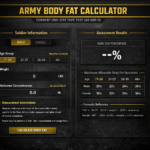
Army Body Fat Calculator
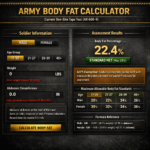
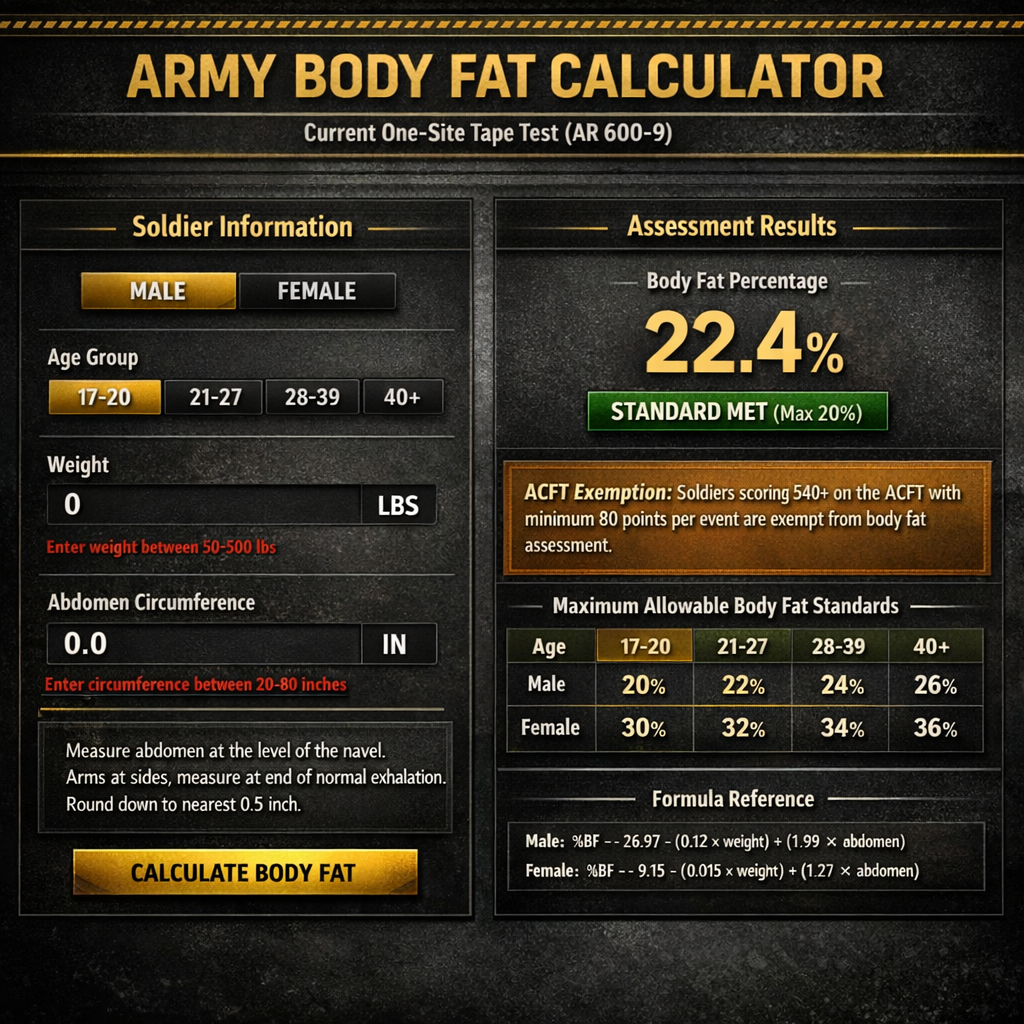
Current One-Site Tape Test (AR 600-9)
Female: %BF = -9.15 – (0.015 × weight) + (1.27 × abdomen)
Table of Contents
The Army Body Fat Standards are essential for maintaining the health and fitness of service members. This article explores the importance of these standards, emphasizing the relationship between body composition and military readiness. It discusses the regulatory framework of AR 600-9, body fat percentage limits, and the methods used to assess body fat through the circumference method. Furthermore, it highlights the significance of adhering to these standards in promoting operational effectiveness
Introduction to the Army Body Fat Calculator
The Army Body Fat Standards are a critical component of the overall health and fitness requirements for service members. These standards are designed to ensure that individuals maintain optimal body composition which is essential for physical performance and military readiness. The primary objective of these standards is not merely to regulate weight but to promote a healthier lifestyle among service personnel. Maintaining an appropriate body fat percentage is vital for operational effectiveness, as it directly impacts endurance, strength, and overall capability under demanding conditions.
For military personnel adherence to body fat standards is a reflection of discipline and commitment to service. The Army has established specific metrics to evaluate body fat through various methods, including measurements of waist circumference and neck size. These metrics provide a straightforward approach to assessing whether an individual meets the required thresholds, which are determined based on gender and age. The implications of not meeting these standards can be significant, potentially affecting career progression and the ability to fulfill essential duties.
The Army emphasizes the importance of physical fitness as a key component of readiness, highlighting that optimal body composition contributes not only to individual performance but also to unit cohesion and effectiveness.. Regular assessments of body fat levels encourage service members to engage in physical fitness programs and nutritional guidance that promote health and well-being. By prioritizing body fat standards, the Army aims to cultivate a culture of fitness that supports both personal and collective military objectives.
Overview of AR 600-9: The Army Weight Control Program
AR 600-9, officially known as the Army Weight Control Program, is a crucial regulation that delineates the United States Army’s standards for body weight and fat composition Established to promote health and readiness among service members, this policy was developed in response to the increasing concerns about physical fitness and readiness among Army personnel. With its roots dating back to the late 20th century, AR 600-9 has undergone several revisions to adapt to the evolving needs of the Army and the overall recognition of the importance of maintaining optimal physical fitness.
The primary purpose of AR 600-9 is to establish a framework for assessing and maintaining the ideal body fat percentage of soldiers. This program ensures that all active duty and reserve personnel adhere to the set weight and body fat standard, It plays a vital role in maintaining military readiness and enhancing soldiers’ performance during both training and operational missions. Through rigorous adherence to body fat standards, the Army seeks to instill discipline and foster a culture of health and wellness among its troops.
The development of these regulations has been influenced by various factors, including medical research on the impacts of excess weight, the need for combat effectiveness, and the overall well-being of soldiers. In the early iterations, the focus was primarily on weight alone; however, AR 600-9 has evolved to incorporate a more comprehensive approach that includes body fat measurements alongside weight assessments. This holistic view recognizes that muscular athletes may weigh more due to muscle mass, thus necessitating a nuanced evaluation of body composition. Hence, AR 600 9 remains a critical component of the Army’s commitment to ensuring that all soldiers are physically fit, ready for duty, and able to meet the demands of their roles.
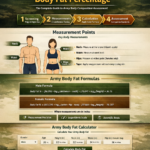
The edge-to-edge measurement technique is a critical component in assessing body fat standards within the Army,. This methodology focuses on obtaining precise measurements of specific body areas to ensure accurate body fat calculations. The primary measurements taken include the neck, waist, and for some cases, hip circumference. Each of these measurements plays a vital role in determining an individual’s body composition.
To begin the edge-to-edge assessment, the measuring process is initiated with the neck circumference. This measurement is taken at the point just below the Adam’s apple, with the tape measure snug but not constrictive.. Following the neck measurement, the waist circumference is assessed. This is typically measured at the natural waistline, which is the narrowest part of the torso, or midway between the lowest rib and the top of the hip bones, based on the individual’s body shape.
For female personnel, the hip measurement is also included in the calculations.. This measurement is taken at the widest part of the hips and plays an essential role in the overall assessment of body fat. The inclusion of hips in women’s measurements recognizes the differences in body composition between genders and helps create a more accurate representation of fat distribution.
The rationale behind the edge-to-edge methodology is grounded in its ability to provide a more comprehensive overview of body fat distribution. By focusing on these specific areas, Army personnel can achieve a more accurate assessment of their body fat percentage, which correlates with overall health and fitness, The measurements taken through this technique directly support the Army’s objectives to maintain high standards of physical readiness, thereby ensuring that personnel are fit for duty and capable of executing operational tasks effectively.
Army Body Fat Calculation: The Circumference Method
The U.S. Army’s approach to assessing body fat percentage primarily through the circumference method is a systematic process that combines accurate physical measurements with specific formula. This method serves as an essential tool for ensuring that soldiers maintain a healthy body composition in line with Army standards. The circumference method relies on measuring specific body parts and applying those measurements to established equations that derive body fat percentages.
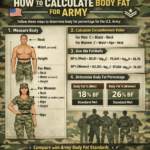
For males, the circumference method focuses on the neck and abdomen measurements, while for females, the neck, waist and hips are measured. The formulas accounting for these measurements differ slightly for each gender to ensure accuracy in the assessment process. For men, the body fat percentage can be calculated using the following formula:
% Body Fat = 86.010 * log10(abdominal circumference - neck circumference) - 70.041 * log10(height) + 36.76
Conversely, for females, the formula utilized has an inclusion of the hip measurement:
% Body Fat = 163.205 * log10(waist circumference + hip circumference - neck circumference) - 97.684 * log10(height) - 78.387
To perform these calculations accurately, proper techniques for measuring are crucial. Soldiers are trained to take their measurements in a standing position, ensuring the tape measure is leveled and snug, but not constricting.,, This minimizes discrepancies in the collected data and aids in achieving a more accurate body fat assessment. Understanding these nuances can greatly aid command teams in managing personnel health and readiness effectively.
The circumference method is a valuable tool for body fat assessment within the Army. It emphasizes the importance of maintaining a healthy weight, and adherence to these standards not only enhances individual health but also contributes to overall mission readiness for military personnel.
Body Fat Percentage Limits: Army Standards Explained
The Army body fat standards are articulated in Army Regulation 600-9, which outlines the acceptable limits for body fat percentage in service members, These standards are essential for maintaining overall military readiness and physical fitness. The body fat percentage limits differ based on gender, recognizing biological differences in body composition.
For males, the acceptable body fat percentage is capped at 20%. This means that, to meet the Army’s criteria, a male soldier should not exceed this percentage of body fat during routine assessments. Conversely,. female soldiers have a slightly higher limit, set at 30%. These thresholds reflect the need for maintaining combat readiness while accommodating the physiological variances between genders.
Accurate assessments of body fat are conducted to ascertain if a service member falls within these established parameters.. If a soldier is found to be above the prescribed body fat percentage limits, they are required to undergo additional assessments and can be placed on a weight control program. This program is designed to help them develop healthier habits and achieve the necessary weight and body fat composition.
Meeting these body fat standards is crucial for all service members, as it not only contributes to personal health but also ensures operational effectiveness Soldiers who comply with the specified limits demonstrate discipline and commitment to their physical fitness duties. In summary, the Army body fat percentage standards serve as a benchmark for maintaining a fit and ready force capable of meeting the demands of military service, while ensuring the well-being of its members.
Importance of Body Fat Standards in Military Readiness
The maintenance of body fat standards within the military is a fundamental aspect of ensuring overall military readiness, and effectiveness. Body composition, primarily determined by the amount of fat versus lean mass in an individual, plays a crucial role in the physical performance of service members. A leaner physique, as mandated by these standards, is often associated with enhanced cardiovascular fitness, muscular endurance, and agility, all of which are vital attributes in military operations.
Physical performance directly impacts combat readiness. The capacity to perform physically demanding tasks in diverse environments requires soldiers to maintain optimal health and fitness levels, Those who exceed body fat standards may experience reduced endurance and strength, which can hinder their performance in training exercises and real-world combat scenarios. This impairment can compromise mission success and even jeopardize the safety of the unit.
Moreover, adherence to body fat standards fosters a culture of discipline and accountability within military ranks. It encourages service members to prioritize their physical fitness and overall well being, contributing positively to the collective effectiveness of forces. A well maintained body composition helps in building resilience among troops, ensuring they are capable of meeting the rigorous demands of their roles.
Lastly, monitoring body fat standards facilitates the identification of health risks among military personnel. Excess body fat can lead to various health issues, such as cardiovascular diseases and metabolic disorders which can reduce troop readiness and increase healthcare costs. Consequently, maintaining these standards is not merely a matter of fitness; it is an essential element of maintaining the operational capability of military forces.
Consequences of Non-Compliance with Body Fat Standards
In the military, adherence to physical standards is crucial not only for individual health but also for unit effectiveness. The Army establishes specific body fat standards to maintain a physically fit and ready force. When service members fail to meet these standards, there are a variety of consequences that may arise, affecting both their personal and professional lives.
The most immediate consequence of non-compliance is the potential for administrative actions. Soldiers who exceed body fat standards may be subject to remedial actions, including mandatory counseling and fitness training programs. These actions serve not only to help the individual regain compliance but also to emphasize the importance of physical fitness within the ranks. This can be a time-consuming process, often requiring significant effort and commitment from the service member.
Furthermore, failing to meet body fat standards can adversely impact career progression. Service members may find their promotion eligibility affected as physical readiness is a key component evaluated in promotion boards. In extreme cases, repeated failures to meet established standards can lead to separation from the Army. This not only jeopardizes one’s current position but can also hinder future opportunities within the military or in civilian life.
Additionally, the perception of a soldier who does not maintain the required body fat percentage may affect their reputation among peers and superiors, Negative stereotypes concerning fitness levels can contribute to a loss of respect and diminished leadership prospects. Therefore, adherence to the body fat standards is not just a matter of personal health, but also closely tied to career development and professional image within the military community.
Tips for Meeting Army Body Fat Standards
Achieving and maintaining compliance with the Army Body Fat Standards requires a combination of dietary discipline, regular exercise, and effective mental strategies. Here, we outline some actionable advice to help service members meet these standards.
Firstly, a well-balanced diet is essential for managing body fat levels. Service members should focus on a nutrient-dense diet that includes plenty of whole foods, such as fruits, vegetables, lean proteins, and whole grains Reducing the intake of processed foods, saturated fats, and sugars can significantly improve body composition. Calculating daily caloric needs and ensuring that intake is primarily from healthy sources will aid in maintaining a lower body fat percentage.
Hydration is another critical factor Consuming adequate water throughout the day can support metabolic functions and aid in weight management. It is recommended to drink at least eight 8-ounce glasses of water daily, adjusting for increased needs during physical activities.
In terms of exercise, a combination of cardiovascular and strength training workouts is most effective. Engaging in aerobic activities such as running, swimming, or cycling for at least 150 minutes a week can enhance fat loss Additionally, incorporating strength training at least two days a week helps build muscle mass, which can improve metabolism and further assist in fat reduction.
Finally, cultivating a positive mindset and setting realistic fitness goals can significantly contribute to long-term adherence. Utilizing methods such as journaling or joining a support group can help maintain motivation and accountability. Recognizing progress whether through improved performance in the field or aesthetically, reinforces commitment to achieving and maintaining Army Body Fat Standards.
By integrating these dietary recommendations, exercise routines, and mental strategies, service members can effectively meet Army Body Fat Standards and maintain a healthy lifestyle.
Top 5 Benefits of Using an Army Body Fat Calculator Today
In a world where fitness and health are paramount, knowing your body fat percentage can be a game-changer. Enter the Army Body Fat Calculator a tool designed not just for soldiers, but for anyone looking to track their fitness journey.
First, it offers precision. Standard scales can be misleading, but this calculator gives you an accurate estimation based on your measurements. It doesn’t just rely on weight; it considers your body composition, providing a clearer picture of your health
Next, it helps set realistic goals. With precise data in hand, you can plan your workouts and nutrition more effectively. Imagine knowing exactly how much body fat you want to shed — now that’s motivation
Another benefit lies in accountability. By regularly using the Army Body Fat Calculator, you create a routine. This consistency fosters a disciplined approach ensuring you stay on track and committed to your fitness goals.
Lastly, it empowers you with knowledge. Understanding your body composition helps you make informed choices about diet and exercise. It’s not just about losing weight; it’s about becoming healthier overall
Whether you’re a soldier preparing for a deployment or an everyday individual aiming for better health, the Army Body Fat Calculator can be an invaluable tool in your fitness arsenal.
Conclusion: Maintaining a Healthy Body Composition in the Army
Adhering to Army body fat standards is crucial not only for meeting military requirements but also for ensuring the overall health and well-being of service members. A healthy body composition is integral to operational readiness, enhancing physical performance, and reducing health risks, It is essential for soldiers to prioritize their fitness, as this not only impacts their professional lives but also contributes positively to their personal health and longevity.
To achieve and maintain a healthy body composition, soldiers should establish comprehensive fitness routines that incorporate cardiovascular exercises, strength training, and proper nutrition, The Army provides various resources and programs designed to support members in their journey towards better health. Access to fitness training, nutrition education, and mental well-being resources is vital in fostering a culture of health within military installations.
Furthermore, service members are encouraged to seek out camaraderie and support from fellow soldiers. Engaging in group workouts participating in fitness challenges, or simply sharing experiences can further enhance motivation and accountability. Remember, the journey to maintaining a healthy body composition is not solely an individual pursuit; it can be greatly enhanced through teamwork and shared goals.
Finally, it is important for soldiers to remain informed about their body fat standards and to understand the implications of these measurements. Reaching out to fitness trainers or medical professionals when needed can provide additional guidance and personalized strategies. By maintaining a focus on health and fitness service members can ensure they meet the Army’s body fat standards while promoting a lifestyle of overall wellness.