Explore how to measure body fat with our various calculation methods, and effectively use body fat calculators to track your fitness progress
🏋️ Body Fat Calculator
Measure and track your body composition
Calculate Body Fat
Your Results
Body Fat Categories
| Category | Men | Women |
|---|---|---|
| Essential Fat | 2-5% | 10-13% |
| Athletes | 6-13% | 14-20% |
| Fitness | 14-17% | 21-24% |
| Average | 18-24% | 25-31% |
| Obese | 25%+ | 32%+ |
📏 Body Fat Measurement Methods
- US Navy Method Uses circumference measurements of neck, waist, and hips. Accurate within 3-4% when done correctly.
- Skinfold Calipers Measures subcutaneous fat at specific sites. Accuracy depends on technician skill. Can be within 3-5% of DEXA.
- BMI-Based Estimation Uses height, weight, age, and gender. Less accurate but easy to calculate. Can vary ±5%.
- DEXA Scan (Gold Standard) Dual-energy X-ray absorptiometry. Most accurate (±1-2%), but requires professional equipment.
- Bioelectrical Impedance (BIA) Uses electrical signals through the body. Accuracy varies (±3-8%) based on hydration and device quality.
- Hydrostatic Weighing Underwater weighing method. Very accurate (±2-3%) but requires special facility.
Table of Contents
Understanding body fat percentage is essential for assessing overall health, fitness, and setting realistic goals. Explore the importance of measuring body fat, various calculation methods, and how to effectively use body fat calculators to track your fitness progress Learn about different body fat categories and common misconceptions while incorporating these insights into your wellness journey. Gain a comprehensive view of health that goes beyond mere weight, allowing you to make informed decisions about your diet and exercise routines.
What is Body Fat Percentage?
Body fat percentage (BFP) is a measure that represents the proportion of fat in a person's body relative to their total weight. This metric is critical in assessing overall health, as it differentiates between lean tissue such as muscles, bones, and organs—and fat tissue. Understanding body fat percentage is crucial for developing a comprehensive view of an individual's fitness beyond merely looking at weight or Body Mass Index (BMI).
While weight provides a basic understanding of body size, it does not account for composition. Two individuals may weigh the same but possess varied levels of body fat and muscle mass leading to differing levels of health risks. Body fat percentage offers a more nuanced insight into an individual’s health status. A high body fat percentage may be linked to health conditions such as type 2 diabetes, heart disease, and hypertension, while a lower percentage often indicates a healthier fitness level.
In contrast, BMI, which considers both height and weight, can be misleading. It does not differentiate between fat and muscle mass and can classify a highly muscular individual as overweight or obese. Thus, body fat percentage becomes increasingly significant particularly for those pursuing fitness goals or seeking effective weight management strategies. Knowledge of one's body fat percentage helps individuals to set realistic health and fitness objectives, develop tailored exercise regimens, and adopt appropriate dietary habits.
In summary, understanding body fat percentage allows for a comprehensive assessment of an individual’s health and fitness and supports effective management of personal health objectives.it serves as an essential tool for anyone serious about improving their well-being and achieving long-term fitness results.
Why Use a Body Fat Calculator?
Utilizing a body fat calculator can significantly enhance your understanding of body composition and track fitness progress, unlike standard scales that only measure body weight, body fat calculators provide nuanced insights into the proportion of fat relative to lean body mass. This distinction is crucial for anyone aiming to improve their physical fitness, as it allows for a more comprehensive assessment of one's health status.
One of the primary benefits of a body fat calculator lies in its ability to aid individuals in establishing realistic fitness goals. For example, if someone is aiming to lose weight, knowing their body fat percentage can guide them in determining how much fat needs to be reduced versus muscle that should be preserved. This differentiation can facilitate a more tailored approach to diet and exercise regimes, enhancing the likelihood of achieving fitness ambitions
Moreover, body fat calculators play an essential role in monitoring progress over time. Regularly assessing body fat percentage can help individuals make informed decisions about their training and dietary habits. rather than focusing solely on the number on the scale, tracking changes in body fat percentage can provide a clearer picture of physical transformations, particularly for those involved in strength training or bodybuilding, where muscle gain is often a primary objective.
Furthermore, body fat calculators come in various forms, including online tools, mobile applications, and handheld devices, making them easily accessible for users. While all these tools serve the same fundamental purpose they may vary in accuracy and methodology. Understanding the differences between body fat calculators and traditional scales is essential for anyone committed to managing their health and fitness effectively.
Different Methods of Calculating Body Fat
Calculating body fat is essential for understanding overall health and body composition. Several methods exist, each with distinct advantages and disadvantages regarding accuracy, accessibility, and practicality.
Here, we will discuss some of the most common techniques used to measure body fat.
One of the traditional approaches is the use of calipers for skinfold measurements. This method involves pinching specific areas of skin and measuring the thickness of the folds. While it is relatively inexpensive and requires minimal equipment, its accuracy largely depends on the skill of the technician performing the measurements. Variability can occur based on the location of measurement and the inherent physiological differences among individuals
Bioelectrical impedance analysis (BIA) is another frequently employed method for assessing body fat. This technique estimates body composition by sending a low-level electrical current through the body. The resistance encountered by the current indicates the proportion of lean mass to fat mass. BIA devices range from professional-grade machines to home scales, making them widely accessible.
However, hydration levels and recent food intake can affect the readings, which may lead to inconsistent results.
Underwater weighing, or hydrostatic weighing, is considered one of the more accurate methods of body fat calculation. This technique relies on the principle of buoyancy, comparing a person's weight on land to their weight underwate, While it provides precise results, it requires specialized equipment and is typically available only in clinical settings, limiting its accessibility for the general population.
Lastly, DEXA scans, or dual-energy X-ray absorptiometry, are regarded as the gold standard for body composition analysis. DEXA offers detailed information about fat distribution and bone density. However, this method involves exposure to low radiation levels and requires access to specific medical facilities making it less accessible than other methods.
In conclusion, various methods of calculating body fat provide insight into body composition, each with its own merits and limitations. understanding these differences can help individuals choose the most suitable option for their specific needs and circumstances.
How to Use a Body Fat Calculator
Utilizing a body fat calculator can be an effective way to gain insights into your body composition. To achieve the most accurate and meaningful results, it is essential to follow a systematic approach, Start by gathering the necessary tools for measuring your body dimensions, which typically include a tape measure and a scale. Accurate measurements are crucial as they directly affect the calculator's results.
The first step is to measure your weight. Stand on a reliable scale, ideally in the morning and after using the restroom for the most consistent reading. Next, you will need to measure specific body parts. Common measurements include waist hips, neck, and sometimes, limbs, depending on the calculator's requirements. Ensure that the tape measure is snug but not compressing your skin; taking the measurement at the end of a natural breath can enhance accuracy.
Once you have your measurements, navigate to an online body fat calculator or open a corresponding mobile application. These tools often ask for various input data, including age, gender, weight, and the gathered body measurements. After carefully entering the information, proceed to submit the data for analysis.
The output will typically provide you with a body fat percentage, which is a vital indicator of body composition. It is essential to interpret these results contextually. A healthy body fat percentage can vary according to factors like gender age, and fitness level. Therefore, using this figure as a reference point rather than a definitive measure of health is advisable. Regularly tracking your body fat percentage can aid in assessing your progress toward fitness goals, thus allowing for informed adjustments to your regimen.
Understanding Body Fat Ranges
Body fat percentage is a critical metric that provides insight into an individual's body composition. It is essential for assessing one's overall health, fitness level, and risk of various diseases. Body fat can be categorized into several ranges, each representing a different level of health and fitness. Understanding these categories can help individuals target their goals more effectively
The first category is essential fat, which is crucial for maintaining bodily functions. For men, essential fat typically ranges from 2% to 5%, while for women, it is slightly higher at 10% to 13%. This fat is necessary for hormonal balance, insulation and the protection of vital organs. Falling below these percentages can lead to severe health consequences, highlighting the importance of having a certain level of body fat.
Next, the athletic range is set between 6% to 13% for males and 14% to 20% for females. This category is commonly associated with competitive athletes who maintain rigorous training regimens, Individuals in this range often exhibit greater muscle definition and lower overall body mass index (BMI), hence showcasing optimal performance capabilities.
The fitness range, often associated with recreational athletes and fitness enthusiasts, includes body fat percentages of 14% to 17% for men and 21% to 24% for women. Maintaining body fat within this category is useful for those with active lifestyles as it promotes overall wellness and energy levels while minimizing health risks.
Finally, the acceptable range for body fat percentage is 18% to 24% for men and 25% to 31% for women. Exceeding these levels typically classifies an individual as overweight, which can increase the risk of chronic conditions such as diabetes hypertension, and cardiovascular diseases. Understanding these body fat ranges is crucial for individuals aiming to improve or maintain their health and fitness levels. Being aware of one’s body fat percentage equips individuals with valuable information, encouraging informed decisions regarding diet, exercise, and lifestyle choices.
Common Misconceptions About Body Fat Calculators
Body fat calculators have gained popularity as tools for assessing body composition, yet several misconceptions prevail regarding their accuracy and implications for health. One of the most pervasive myths is the belief that a lower body fat percentage is synonymous with better health outcomes. While it is true that excessively high body fat levels can lead to health issues, the ideal body fat percentage is not a one size fits all figure. Optimal levels can vary significantly based on factors such as age, sex, and individual fitness goals. For instance, athletes may need higher body fat percentages for energy reserves, while individuals focused on longevity may prioritize muscle mass and overall fitness over merely reducing fat.
Another common misunderstanding is that body fat calculators can deliver a comprehensive health assessment on their own. These calculators often provide a numeric value representing body fat percentage, but they do not account for other critical health marker such as muscle mass, bone density, or visceral fat accumulation. Relying solely on these numbers can lead to a narrow view of one’s overall health and fitness. Additionally, the methodologies used in different calculators can vary; for example, skinfold measurements, bioelectrical impedance analysis, and DEXA scans can yield differing results depending on the technique and equipment employed.
Moreover, it is crucial to recognize that body fat calculators cannot replace professional medical advice. While they can serve as a part of a broader health and fitness strategy, individuals should consult healthcare professionals for tailored assessments and recommendations. A balanced perspective on body fat percentag one that incorporates multiple health indicators will yield a more comprehensive understanding of one’s overall wellness. Therefore, approaching body fat calculations with a critical mind and awareness of these misconceptions is essential for achieving meaningful health insights.
Integrating Body Fat Measurements into Your Fitness Routine
Incorporating body fat percentage tracking into a fitness regimen can be a strategic approach to achieving health and wellness goals. understanding one's body composition not only provides insights into overall fitness but also aids in tailoring exercise and dietary plans accordingly. The first step in integrating body fat measurements is determining a suitable frequency for these assessments. Many fitness experts recommend measuring body fat every four to six weeks. This timeframe allows for meaningful changes to occur in body composition while minimizing the influence of daily fluctuations caused by hydration levels and other variables.
As measurements are taken, it is essential to react constructively to any changes observed in body fat percentages. For instance, a decrease in body fat might indicate that the current fitness routine and diet are effective, encouraging individuals to maintain or even intensify their efforts. Conversely an increase or plateau in body fat should not be seen as a setback but as an opportunity to reevaluate fitness and dietary strategies. Adjustments might include increasing workout intensity, experimenting with different types of training such as strength or endurance exercises, or modifying dietary intake to better align with personal fitness goals.
There are numerous strategies to consider when altering fitness and diet plans based on body fat percentage results. For example, if the goal is fat loss, incorporating more high-intensity interval training (HIIT) sessions can be beneficial as it is known for increasing metabolism. Additionally, tracking macronutrient intake can guide dietary adjustments, promoting higher protein consumption to support muscle preservation while losing body fat. Ultimately, using body fat measurements as a guide encourages a more personalized approach to fitness, aligning effort with results for sustained progress.
Limitations of Body Fat Calculators
Body fat calculators can serve as useful tools for individuals aiming to understand their body composition; however, they have notable limitations that can affect the accuracy of their results. One of the primary constraints involves the method of measurement utilized. Various types of body fat calculators such as bioelectrical impedance analysis (BIA) scales and skinfold calipers, provide different results based on their underlying technology. For example, BIA relies on electrical currents that may be skewed by individual hydration levels, which can fluctuate throughout the day. Dehydration can lead to an underestimation of body fat, while overhydration may yield inflated percentages.
The time of day when measurements are taken can further impact readings. Body composition can vary throughout the day due to changes in food and fluid intake, as well as physical activity levels, A measurement taken right after a workout may reflect a different body fat percentage compared to one taken in the morning after fasting overnight. Additionally, many calculators do not account for various body types or distributions of fat within different populations, leading to inaccuracies for certain individuals.
Moreover, technical precision varies with measurement devices. While some high-end tools offer more reliable data, others may lack calibration, resulting in misleading outcomes. Because of these factors it is crucial to approach body fat measurements with a critical mindset. Understanding that these calculators provide estimates rather than definitive analyses is essential for anyone monitoring their health.
Ultimately, incorporating body fat calculators into a broader wellness strategy that includes physical exams, blood tests, and lifestyle assessments will lead to a more comprehensive understanding of one’s health. by adopting a holistic approach, individuals can better navigate their fitness journeys while recognizing the inherent limitations of these tools.
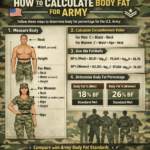
Army body fat standards
The Army body fat standards serve not just as a metric for physical fitness, but as a reflection of discipline, commitment, and the holistic health of service members. These standards emphasize the importance of maintaining a balanced physique that aligns with military readiness. However, they also highlight an evolving understanding of health beyond mere weight, pushing for a focus on overall wellness that includes mental and emotional fitness.
Interestingly, the Army has been revisiting its approach to body fat standards, recognizing the unique challenges faced by diverse body types and metabolic rates. This shift encourages a more inclusive environment, allowing soldiers to thrive regardless of their natural build while maintaining operational effectiveness. Additionally, the integration of nutritional education and fitness programs tailored to individual needs signifies a broader commitment to healthy lifestyles, ultimately enhancing cohesion and morale within the ranks. As these standards continue to evolve, they remind us that true fitness encompasses not just appearance, but resilience and capability in the face of challenges.
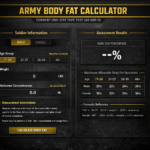
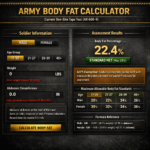
Body fat calculator army
The body fat calculator army employs a methodical approach to assess fitness levels and readiness for service. Each soldier's body composition directly impacts performance and health, making accurate measurements crucial. Instead of just relying on weight alone, the military emphasizes a comprehensive understanding of body fat percentage, which provides a better insight into one's overall condition.
Harnessing this calculator not only supports physical assessments but also serves as an educational tool. Soldiers gain valuable knowledge about their bodies, learning how fat distribution affects their functional abilities and stamina. This awareness encourages healthier lifestyle choices, not just within the ranks but also in civilian life post-service. By using a body fat calculator, the army fosters a culture of fitness that underscores the importance of body composition in achieving personal bests and operational excellence.
Conclusion: Making the Most of Body Fat Calculators
Body fat calculators are valuable tools that can provide insight into your overall body composition. By understanding the percentage of body fat relative to muscle and other tissues, individuals can make informed decisions about their health and fitness goals It is essential to recognize that while these calculators can offer a general estimate of body fat, they may not provide a comprehensive picture of one's health status. Therefore, it is crucial to utilize the information they provide as part of a broader strategy for well-being.
Integrating body fat calculators into your health regimen can serve as a motivating factor, helping you track progress over time and adjust your fitness routine accordingly, An awareness of your body fat percentage can assist you in setting realistic objectives, whether it's weight loss, muscle gain, or simply maintaining a healthy lifestyle. However, it is essential to remember that numbers alone do not define health. Other factors such as diet, metabolism, endurance, and genetics should also be taken into account.
Moreover, seeking professional advice from fitness trainers or nutritionists can enhance the effectiveness of these tools. A qualified professional can provide tailored recommendations based on individual needs and circumstances ensuring a holistic approach to fitness and health. This collaboration can lead to more sustainable results, helping individuals navigate the complexities of body composition.
Flexibility in fitness approaches is also necessary. What works for one person may not work for another and it's important to adapt your strategies over time. Body fat calculators can help facilitate this adaptability by providing feedback that encourages continuous improvement. Ultimately, awareness and informed decision-making are key, and using body fat calculators within the context of a well-rounded