The Navy Body Fat Calculator is a practical tool for assessing body fat percentages based on specific physical measurements. This blog post explores the importance of understanding body fat, how the calculator works, and the necessary measurements for accurate results. Learn how to interpret your results, the calculator’s limitations, and alternative methods for measuring body fat. Empower yourself on your fitness journey with vital insights into maintaining a healthy body composition and making informed lifestyle choices.
Navy Body Fat Calculator
Table of Contents
Introduction to the Navy Body Fat Calculator
The Navy Body Fat Calculator is a valuable tool designed to assess body fat percentages in both males and females based on specific physical measurements. It plays a crucial role in fitness assessments, particularly those administered by military personnel, ensuring that individuals maintain a healthy and appropriate body composition. The calculator operates by utilizing a method rooted in anthropometric measurements, which may include measurements such as height, weight, neck circumference, and waist circumference, allowing for a straightforward estimation of body fat. This method, endorsed by the United States Navy, provides an accessible means for individuals to evaluate their body fat percentage without the need for advanced technology or equipment.
Understanding body fat is essential for overall health, as it serves as a key indicator of an individual’s physical fitness. Maintaining an appropriate body fat percentage is linked to various health benefits, including reduced risks of chronic diseases such as diabetes, heart disease, and certain types of cancer. Moreover, for military personnel, staying within prescribed body fat standards is critical, as it can influence overall readiness and performance. As such, the Navy Body Fat Calculator not only assists in routine self-assessments but also acts as a guideline for necessary lifestyle adjustments, including diet and exercise regimens.
Using the Navy Body Fat Calculator can empower individuals to take control of their health and fitness journey. Whether one is a service member aiming to meet the Navy’s specific standards or a civilian seeking to improve overall health, this calculator assists in achieving informed decisions about body composition. The ease of use and accuracy of the calculations make it an essential resource for anyone focused on health and fitness. With a broader understanding of how body fat is assessed, individuals can establish realistic goals and create effective strategies for improvement.
Understanding Body Fat and Its Importance
Body fat, commonly referred to as adipose tissue, plays a multifaceted role in human health that extends beyond mere aesthetics. It serves essential functions including energy storage, insulation, and organ protection. Unlike muscle mass, which is primarily responsible for strength and movement, body fat is vital for energy balance and overall physiological regulation. It acts as a reservoir for hormones and other bioactive substances, thus influencing metabolic processes.
Maintaining a healthy percentage of body fat is significant for overall well-being. Excess body fat, particularly visceral fat, which accumulates around internal organs, poses serious health risks. Conditions such as cardiovascular disease, type 2 diabetes, and certain cancers are often linked to high levels of body fat. Conversely, insufficient body fat can also have adverse effects, including hormonal imbalances and impaired immune function. This nuanced relationship highlights the necessity of not only assessing body fat but also understanding its implications for health.
Measuring body fat accurately is particularly critical for individuals pursuing fitness and wellness goals. Standard metrics such as body mass index (BMI) often fall short in conveying a complete picture since they do not differentiate between muscle and fat weight. The Navy Body Fat Calculator offers a more precise estimate by incorporating specific body measurements, providing a clearer representation of body composition. Understanding the nuances of body fat measurement empowers individuals to set realistic health objectives, tailor their fitness regimes, and monitor their progress more effectively.
In summary, the significance of body fat extends beyond just the numbers; it directly impacts health and fitness outcomes. Recognizing its role and ensuring proper evaluation can lead to more informed lifestyle choices, ultimately promoting better health and longevity.
How the Navy Body Fat Calculator Works
The Navy Body Fat Calculator is a widely recognized tool designed to estimate body fat percentage based on specific physical measurements. This method employs a set of formulas that utilize neck, waist, and hip circumferences, alongside an individual’s height. The primary advantage of this calculator is its ability to relate these measurements to body fat percentage, enabling users to assess their overall health and fitness relative to naval standards.
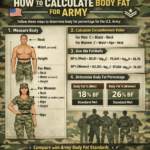
The calculation process differs slightly between males and females due to physiological variations. For men, the formula incorporates neck and waist circumferences, while for women, it includes neck, waist, and hip circumferences. This distinction is crucial as it addresses differences in body composition. An individual needs to measure the circumference of their neck just below the Adam’s apple, the waist at the narrowest point, and for women, the hips at the widest point. Height is measured in inches as well, which is essential for the conversion of these measurements into body fat estimates.
The Navy Body Fat Calculator uses a specific equation to arrive at the body fat percentage, derived from the measured dimensions. The results not only reflect body fat percentage but also indicate whether an individual meets the ideal body composition standards set by the Navy. It is important to understand that while this calculator provides a practical method to gauge body fat, it does not replace more comprehensive assessments like skinfold measurements or bioelectrical impedance analysis.
Both fitness enthusiasts and military personnel can benefit from using the Navy Body Fat Calculator as a motivational tool to manage weight. Understanding the correlation between body measurements and fat percentage enables individuals to set realistic fitness goals. Regularly tracking these measurements can foster a better understanding of one’s health journey, promoting an overall commitment to fitness and well-being.
Required Measurements for Calculation
To utilize the Navy body fat calculator effectively, it is imperative to obtain precise measurements of specific body attributes: neck circumference, waist circumference, hip circumference (for females), and height. Each measurement plays a vital role in determining body composition accurately.
To measure neck circumference, use a flexible measuring tape and wrap it around the skin just below the Adam’s apple, ensuring the tape is horizontal and snug but not constricting. It is recommended to record the measurement to the nearest quarter inch or centimeter for the utmost precision. When measuring waist circumference, the tape should be positioned just above the navel, at the narrowest point of the torso. Again, ensure that the tape remains horizontal and lightly snug but not tight, allowing for normal breathing.
For females, the hip circumference is an additional measurement that must be taken. Position the tape around the widest part of the hips, ensuring it is level and again, neither loose nor excessively tight. This measurement is crucial as it provides insight into the body fat distribution. Height should be measured while standing straight against a wall with a flat surface, using a measuring tool or mark, which is also essential for accurate body fat calculation.
For best practices, it is advisable to take each measurement at least two or three times to ensure consistency and accuracy. If there are discrepancies, the average of the measurements should be used for the final calculation. Using a reliable measuring tape that shows both inches and centimeters will help in maintaining consistency, particularly if other metrics are eventually converted. Ensuring proper technique and accuracy is fundamental when calculating body fat percentage, as the Navy method relies heavily on these physical measurements for evaluation.
Step-by-Step Guide to Using the Calculator
The Navy Body Fat Calculator is a valuable tool for individuals seeking to assess their body fat percentage based on specific measurements. To utilize this calculator effectively, follow the step-by-step guide outlined below.
First, gather the necessary measurements. You will need to record your neck circumference, waist circumference, and height. For males, measure around the neck just below the larynx and around the waist at the narrowest point, usually just above the hip bones. For females, the waist measurement is taken at the widest point and should include the hips for accuracy.
Next, navigate to an online Navy Body Fat Calculator. Many reputable websites offer this calculator, providing a user-friendly interface. Upon arriving at the site, look for the input fields designed for the recorded measurements. Input your height in inches or centimeters first, followed by your neck and waist measurements.
After entering the measurements, ensure that you double-check everything for accuracy. This step is crucial, as precise measurements can significantly impact the outcome. Once confirmed, submit the information by clicking on the appropriate button, usually labeled “Calculate” or “Submit.” The calculator will process your data and provide your body fat percentage almost instantaneously.
Upon receiving the results, it is essential to interpret them correctly. The Navy standards indicate various ranges for body fat percentages based on gender and age. For men, a body fat percentage of 18-24% is generally considered acceptable, while for women, the range is 26-31%. If your results fall outside these ranges, consider consulting a health professional for personalized advice and guidance.
In summary, using the Navy Body Fat Calculator is a straightforward process involving precise measurements and an easy-to-navigate online tool. By following this guide, individuals can assess their body fat percentage and make informed decisions regarding their health and fitness goals.
Understanding Your Results
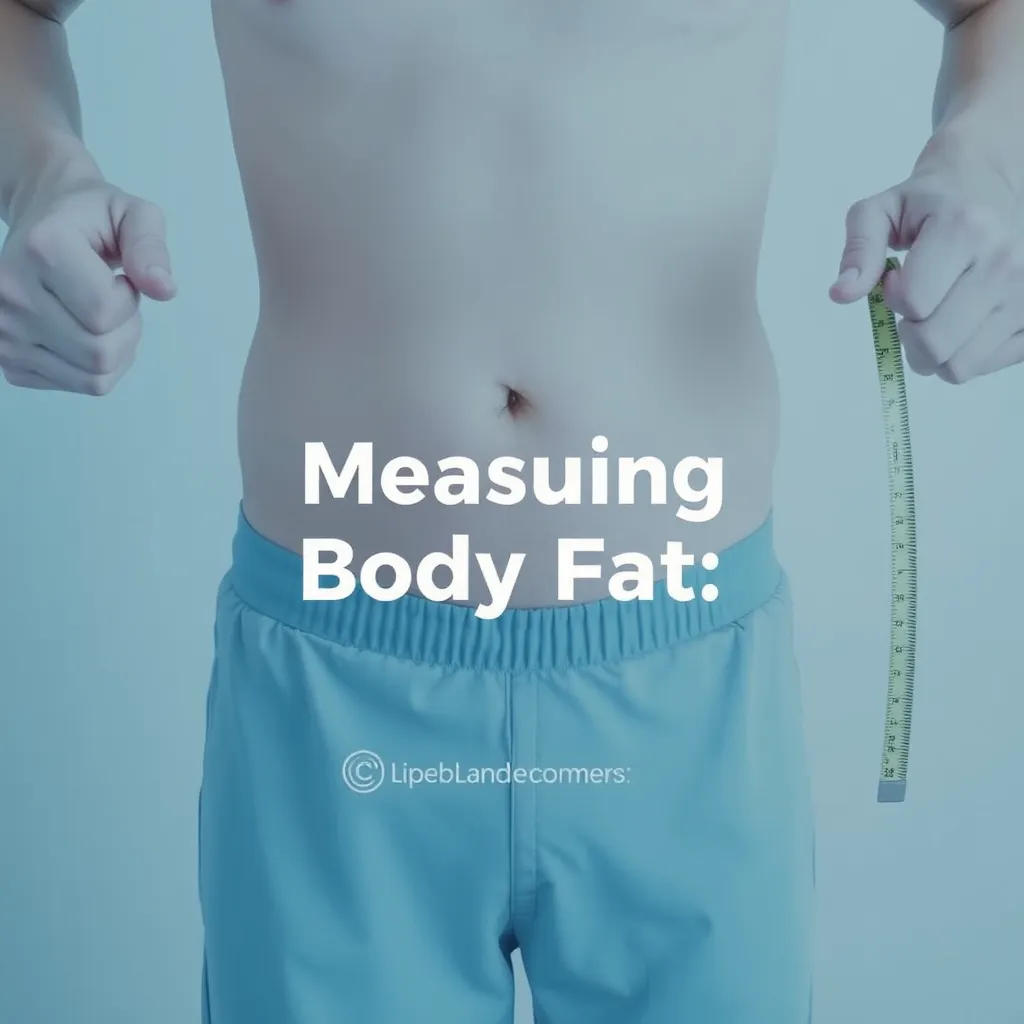
Interpreting the results from the Navy Body Fat Calculator is crucial for individuals seeking to assess their fitness levels and health status. The body fat percentage derived from the calculator provides insight into the composition of one’s body, specifically the proportion of fat in relation to lean mass.
This metric is essential for both males and females, as it varies significantly between sexes due to physiological differences. For instance, a healthy body fat percentage for men typically ranges between 10% and 20%, while for women, it generally falls between 20% and 30%. These ranges are derived from comprehensive health and fitness standards, reflecting optimal levels of body fat associated with improved physical performance and reduced health risks.
When evaluating your results, it is vital to recognize that body fat percentage alone does not provide a complete health picture. Additional factors such as age, muscle mass, and personal health history should also be considered when interpreting the numbers. Lower body fat percentages might be seen as favorable in certain fitness contexts, but excessively low levels can lead to health complications, including hormonal imbalances and reduced immune function. Conversely, while higher body fat percentages may signal potential health issues, they may not fully reflect an individual’s fitness capabilities, particularly if coupled with high muscle mass.
Moreover, it is important to acknowledge that body fat percentages are merely a guideline rather than strict thresholds. Individuals should approach these figures with understanding and consider them as a component of a broader health strategy. Utilizing the Navy Body Fat Calculator as part of a holistic health plan that includes proper nutrition, exercise, and regular health check-ups will provide more accurate insights into fitness and overall well-being.
Limitations of the Navy Body Fat Calculator
The Navy Body Fat Calculator has been a widely used tool for estimating body fat percentage based on certain measurements. However, it is essential to recognize its limitations, as various factors can contribute to potential inaccuracies. One of the primary concerns is the diversity in body types. The calculator applies a standardized formula that may not accurately reflect the body composition of individuals with atypical body shapes or sizes.
Body composition distribution plays a significant role in how fat is stored in the body. Individuals might have similar measurements according to the Navy Body Fat Calculator, yet their fat distribution can vary considerably. For instance, some may store fat predominantly in the abdominal area, while others might have a more even distribution. Such discrepancies can lead to an inaccurate assessment of body fat percentage when solely relying on the calculator.
Furthermore, the Navy Body Fat Calculator relies primarily on circumference measurements, such as waist and neck size, which can sometimes overlook critical factors such as muscle mass. Individuals engaged in strength training may exhibit lower body fat readings due to increased muscle mass, potentially skewing the results provided by the calculator. Consequently, this tool may not accurately represent an athlete’s body composition or track changes effectively over time.
While the Navy Body Fat Calculator can serve as a quick reference, individuals seeking precise assessments of their body fat percentage may benefit from professional evaluations. These may include methods such as DEXA scans or hydrostatic weighing, which can provide a more thorough understanding of body composition. Therefore, while the Navy Body Fat Calculator can be a useful tool, it is important to remain aware of its limitations and consider more comprehensive assessments when necessary.

Alternative Methods for Measuring Body Fat
In addition to the Navy Body Fat Calculator, there are several alternative methods available for measuring body fat. Each of these methods offers its own advantages and disadvantages, and understanding them can help individuals choose the most appropriate technique for their needs.
One widely used method is skinfold measurements. This technique involves using calipers to measure the thickness of subcutaneous fat at specific body sites. Typically, measurements are taken at multiple sites, and the values are summed to estimate total body fat percentage. While skinfold measurements can be quite accurate when performed by a trained professional, they depend heavily on the technician’s skill and technique. It is also worth noting that this method may not be as suitable for individuals with very low body fat or those who are significantly overweight.
Another alternative is bioelectrical impedance analysis (BIA). This method operates on the principle that electrical currents pass through body tissues at different rates. A small electrical signal is sent through the body, and the resistance encountered is measured to estimate body composition. BIA devices can be portable and relatively easy to use, making them appealing for home use. However, factors such as hydration levels can significantly impact the accuracy of results, which may limit its reliability.
DEXA scans, or dual-energy X-ray absorptiometry, represent a more advanced option for body fat measurement. This method provides detailed images of body composition, allowing for the assessment of fat distribution and lean mass. It is considered one of the most accurate methods available, especially for determining visceral fat levels. Nevertheless, DEXA scans are often costly and may not be readily accessible for everyone.
Finally, hydrostatic weighing and air displacement plethysmography are additional methods used to measure body density and estimate body fat percentage. Both techniques are generally accurate but require specialized equipment and trained personnel, making them less convenient for everyday use.
While the Navy Body Fat Calculator is a practical option for many, understanding these alternative methods can provide individuals with a broader perspective on body fat measurement, enabling them to select the right approach tailored to their unique circumstances.
Conclusion: Finding the Right Balance
In the quest for optimal health and fitness, understanding body fat is crucial. The Navy Body Fat Calculator serves as a practical tool for individuals seeking to gauge their body composition. Accurate body fat measurements can provide valuable insights into overall health and fitness levels, especially for military personnel and those in physically demanding occupations. It allows users not only to assess their body fat percentage but also to identify areas for improvement in their fitness regimen.
Finding the right balance in body composition is essential for maintaining good health. It is important to recognize that body fat is not inherently negative; it serves vital functions, including energy storage, insulation, and hormone regulation. However, exceeding healthy levels of body fat can lead to various health complications, including cardiovascular diseases, diabetes, and other metabolic disorders. Therefore, utilizing the Navy Body Fat Calculator can inform individuals whether they are within a recommended range, serving as a motivational checkpoint in their health journey.
It’s critical to keep in mind that the Navy Body Fat Calculator provides only one perspective on an individual’s health. Body composition should not solely define a person’s self-worth or overall well-being. Alongside calculating body fat percentage, individuals are encouraged to engage in regular physical activity, maintain a balanced diet, and focus on mental well-being. Each person’s health journey is unique, and the goal should be to find a harmonious balance that promotes longevity and quality of life.
In summary, the Navy Body Fat Calculator is an effective tool in evaluating body composition, yet it is essential to view it within the broader context of overall health. Striving for a healthy body fat percentage can lead to numerous benefits, but a comprehensive approach to health and fitness encompasses various other factors. By understanding body fat in its entirety, individuals can work towards achieving their desired health goals more effectively.