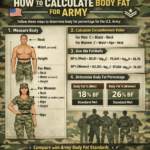
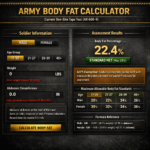
The U.S. Navy Body Fat Calculator is a crucial tool for assessing body fat percentage in Navy personnel, helping maintain fitness standards set by the Department of Defense. By measuring body fat, individuals can enhance their physical readiness and overall health. This calculator offers a more nuanced approach compared to traditional weight-based evaluations, considering height, neck, waist, and hip circumferences. Understanding how to use this tool empowers military personnel and civilians alike to set realistic fitness goals. Explore the importance of body fat percentage, how the calculator functions, and tips for achieving optimal body composition to ensure a healthy and effective fitness journey.
U.S. Navy Body Fat Calculator
What Users Are Saying
Table of Contents
Introduction to the U.S. Navy Body Fat Calculator
The U.S. Navy Body Fat Calculator is a specialized tool designed to assess the body fat percentage of personnel in the Navy. This calculator is crucial for maintaining appropriate fitness levels as it helps ensure that servicemen and women meet the required body composition standards established by the Department of Defense. The significance of body fat measurement cannot be understated, particularly for active-duty members, as it directly influences physical readiness, overall well-being, and the ability to successfully perform assigned duties.
Unlike traditional weight-based evaluations, the U.S. Navy Body Fat Calculator considers both height and weight alongside other physical measurements to provide a more accurate assessment of body composition. This approach allows for a more nuanced understanding of fitness that goes beyond simply looking at weight. For instance, individuals may possess a healthy weight but higher body fat percentages, which can lead to increased health risks and potential limitations in physical performance. Furthermore, the calculator serves as an equitable tool in addressing the fitness assessments for both male and female users, tailoring the requirements based on gender differences in body composition.
In the context of serving in the Navy, maintaining a low body fat percentage is essential not only for personal health but also to meet the stringent standards of military service. Body fat assessments are routinely conducted and can influence promotion potential, job assignments, and overall military discipline of the personnel. Hence, understanding and utilizing the U.S. Navy Body Fat Calculator enables servicemen and women to take proactive steps towards their physical fitness goals and ensure compliance with the Navy’s established fitness standards. This commitment to health can ultimately lead to improved performance and operational readiness.

How the Calculator Works
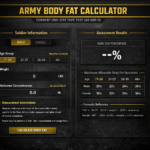
The U.S. Navy Body Fat Calculator is a tool designed to estimate body fat percentage based on specific physical measurements. Utilizing a straightforward equation, the calculator requires inputs such as gender, height, neck circumference, waist circumference, and, for women, hip circumference. Each measurement contributes to a comprehensive understanding of body composition, which is essential for evaluating fitness and overall health status.
To begin, the individual’s gender is noted, as the calculation formula differs slightly between men and women due to physiological differences in body fat distribution. Height is measured in inches, which serves as a fundamental aspect of the calculation. Neck and waist circumferences, measured in inches, are crucial for determining how much fat is present in these areas. For women, the measurement of hip circumference further enhances the accuracy of the body fat estimate. This measurement acknowledges the difference in fat storage between genders, providing a more tailored assessment.
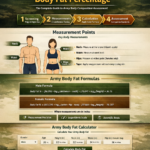
The Navy’s method utilizes a formula that integrates these measurements into a penalty system based on the input values, applying specific coefficients. For male subjects, the formula is: (Waist circumference – Neck circumference) * 1.082 + 94.42 – (Height * 4.15). In contrast, for female subjects, the equation is: (Waist circumference + Hip circumference – Neck circumference) * 0.732 + 8.987 – (Height * 0.157). The results yield an estimate of body fat percentage which is then categorized as acceptable, overweight, or obese according to Navy standards.
This systematic approach allows individuals to monitor their fitness levels effectively while also providing healthcare professionals with a practical tool for assessing body composition. Understanding how the U.S. Navy Body Fat Calculator operates can empower individuals to make informed decisions about their fitness journeys.
Input Parameters Explained
The U.S. Navy Body Fat Calculator operates on several critical input parameters, each playing a significant role in providing accurate body fat estimations. These parameters include height, neck, waist, and hip circumferences. Correctly measuring and understanding these metrics is essential for achieving reliable results.
Firstly, height is a fundamental measurement that contributes to the overall body composition assessment. To ensure accuracy, users should stand upright against a wall with their heels, back, and head touching the surface, and then use a ruler to mark the highest point of their skull. This height measurement is crucial as it provides a baseline reference for calculating the proportions of body fat in relation to total body size.
The next critical parameter is neck circumference. This measurement is taken just below the Adam’s apple, ensuring a snug fit of the measuring tape without compressing the skin. Accurately measuring the neck circumference is important because it can reflect changes in body composition and health risks associated with excess body fat.
Waist circumference is another key metric, measured at the narrowest part of the torso, typically just above the belly button. It assists in assessing abdominal obesity, which is linked to various health issues. Participants should exhale gently before taking this measurement to avoid overestimating waist size.
Lastly, hip circumference is measured at the widest part of the hips and is particularly important for women, as it can affect body fat distribution. This measurement helps to determine the waist-to-hip ratio, another indicator of health status. Properly measuring each parameter contributes significantly to the effectiveness of the U.S. Navy Body Fat Calculator, making it vital for users to approach these tasks with care and accuracy.

Calculating Your Body Fat Percentage
To accurately assess your body fat percentage using the U.S. Navy Body Fat Calculator, it is essential to first gather the required measurements. These include your neck circumference, waist circumference, and height. For women, hip circumference is also a necessary measurement. Ensure that you measure these areas correctly, as inaccuracies can lead to misleading results. Use a soft measuring tape to obtain a snug yet comfortable fit, ensuring that the measurement aligns with the guidelines for precision.
Once you have your measurements, navigate to the U.S. Navy Body Fat Calculator, which can typically be found on reputable fitness or military websites. Follow these step-by-step instructions to perform the calculation:
1. **Input your height**: Enter your height in inches or centimeters, as per the calculator’s format.
2. **Enter your neck circumference**: Measure around the widest part of your neck, ensuring the tape is level. Type this measurement into the designated field.
3. **Input your waist circumference**: Measure at the narrowest part of your waist. If you are female, also include your hip circumference by measuring around the fullest part of your hips.
4. **Submit your information**: After entering all required metrics, click the “Calculate” button to generate your body fat percentage.
The calculator will provide you with your body fat percentage, which can help you evaluate your body composition. Generally, a body fat percentage between 10% to 20% is considered healthy for men, while women typically have healthy ranges between 18% to 28%. It is essential to remember that while the percentage provides a useful estimate, individual assessments may vary based on unique factors such as muscle mass and genetics. A higher weight may not necessarily correlate to higher body fat percentage, particularly if one has a muscular physique.
Why Body Fat Percentage Matters
Understanding body fat percentage is crucial for military personnel as it serves as a key indicator of overall health and fitness. Maintaining an appropriate body fat level is not only essential for personal well-being but also directly impacts performance and operational readiness. In a demanding environment like the military, individuals are required to perform physical tasks that often exceed standard civilian fitness levels. Hence, comprehending one’s body fat percentage can facilitate better training and lifestyle choices.
High body fat percentages can lead to a range of health issues, including cardiovascular diseases, musculoskeletal disorders, and metabolic dysfunctions. Excessive body fat can impair physical efficiency, as increased weight can hinder stamina and agility. For military personnel, agility and endurance are vital attributes that contribute to mission success and personnel safety. Consequently, understanding where one falls on the body fat spectrum enables service members to tailor their fitness programs, ensuring they meet the standards required by the military.
In addition, body fat percentage is a factor in determining an individual’s readiness for deployment. The U.S. Navy, for example, employs specific body fat calculations to assess whether personnel meet the required fitness levels for their roles. When service members recognize the role of body fat in their overall fitness profiles, they are better equipped to make informed decisions regarding nutrition, exercise, and weight management. This, in turn, helps them not only maintain physical standards but also contribute to a healthier, more effective military force.
Ultimately, being conscious of body fat percentage aids in fostering a culture of fitness and health in the military, ensuring that personnel are prepared both physically and mentally for the challenges they may face in their duties.
US Navy Body Fat Calculator
The US Navy Body Fat Calculator is not just a tool for service members; it’s a reflection of a holistic approach to fitness and health. Unlike traditional weight-based metrics, this calculator emphasizes the importance of body composition, recognizing that muscle mass can often skew perceptions of overall fitness. By focusing on body fat percentage rather than weight alone, the Navy encourages individuals to pursue healthier lifestyles that prioritize strength and endurance over mere numbers on a scale.
Additionally, the calculator utilizes a formula that considers various factors such as age, height, neck, and waist measurements. This personalized approach allows individuals to gain insights into their physical condition, which can be particularly empowering for those striving to meet specific fitness goals. It also serves as a vital tool for leaders within the Navy to monitor the readiness and health of their personnel, ultimately fostering a culture of wellness and accountability. Embracing this method can inspire others outside the military to rethink how they measure fitness in their own lives, prompting a shift towards more comprehensive health assessments.
Body Fat Precentage
Understanding body fat percentage is crucial not only for military personnel but for anyone interested in fitness and health. Unlike weight alone, which can be misleading due to muscle mass and water retention, body fat percentage provides a clearer picture of an individual’s health. A lower body fat percentage often correlates with improved performance, endurance, and overall physical capability, making it a vital metric for those in demanding fields like the Navy.
Moreover, measuring body fat percentage encourages a holistic approach to fitness. It shifts the focus from mere weight loss to the importance of body composition, emphasizing the need for a balanced diet and strength training. For aspiring service members, grasping this concept can lead to smarter training choices and sustainable habits, ultimately enhancing their readiness for the challenges ahead. By prioritizing body fat percentage over arbitrary weight goals, individuals can cultivate a healthier relationship with their bodies and improve their long-term wellness.
Military Fitness Standard
Military fitness standards serve as a benchmark not only for physical readiness but also for mental resilience, reflecting the demanding nature of service. In the U.S. Navy, these standards focus on body composition rather than sheer weight, emphasizing the importance of maintaining a healthy balance of muscle and fat. This shift towards body fat percentage calculations allows for a more individualized approach, acknowledging that fit bodies come in various shapes and sizes. It challenges the outdated notion that fitness equates solely to weight, promoting a holistic view of health that includes strength, endurance, and agility.
Moreover, the Navy’s emphasis on fitness extends beyond the confines of physical evaluations; it cultivates a culture of accountability and discipline among sailors. The rigorous training regimens required to meet these standards not only enhance individual performance but also foster teamwork and camaraderie. As sailors push their limits together, they develop not just physical capabilities but also the mental toughness essential for high-stakes situations. This multifaceted approach to military fitness redefines what it means to be “fit,” encouraging a lifelong commitment to health that benefits both personal well-being and operational effectiveness.
Calculating Body Fat
Calculating body fat is more than just a number; it’s a vital indicator of overall health and fitness. The U.S. Navy Body Fat Calculator offers a unique approach by taking into account not only weight but also measurements like neck and waist circumference, providing a comprehensive view of body composition. This method emphasizes the importance of muscle-to-fat ratios, which can be more telling than weight alone, particularly for those who engage in regular strength training.
Moreover, understanding your body fat percentage can empower you to set realistic fitness goals tailored to your unique physique. For instance, athletes may aim for lower body fat percentages to enhance performance, while others might focus on achieving a healthier range that supports longevity and well-being. By tracking changes in body fat over time rather than obsessing over scale weight, you can gain valuable insights into your progress and make informed adjustments to your diet and exercise regimen. Ultimately, the Navy’s approach serves as a reminder that health isn’t just about fitting into a certain mold; it’s about finding what works best for your individual body and lifestyle.
User Testimonials: Real Experiences
The U.S. Navy Body Fat Calculator has garnered various opinions from users who have utilized the tool for their fitness journeys. JD, a fitness enthusiast and a military veteran, expressed satisfaction with the accuracy of the calculator. He stated, “The Navy Body Fat Calculator has been an essential part of my routine. It helped me set realistic goals based on my body composition, making my workouts more effective.” JD’s experience highlights the tool’s ability to provide users with valuable benchmarks to gauge their fitness levels.
Meanwhile, Sarah, a fitness coach, shared insights on how the calculator aided in her training program. She noted, “Using the U.S. Navy Body Fat Calculator allowed me to customize workouts for my clients effectively. I appreciate how it offers a straightforward approach to gauge body fat percentages, which is crucial for tailoring my advice to each individual’s fitness goals.” Her feedback indicates that the calculator is not only beneficial for personal use but also serves as a reliable tool for professionals in the fitness industry.
Mike, a recent user, recounted how the tool motivated him to stay on track. He shared, “Initially, I struggled with my fitness journey, but once I started using the Navy Body Fat Calculator, I gained clarity. The insights helped me realize where I needed to improve and how to focus my efforts. It’s reliable and has motivated me to achieve my goals.” Mike’s testimonial emphasizes the inspirational aspect of the calculator, showcasing how it can serve as an essential motivator for those looking to enhance their health and wellness.
These testimonials reflect the diverse experiences of individuals who have turned to the U.S. Navy Body Fat Calculator for guidance in their fitness journeys. Users appreciate its accuracy, ease of use, and the motivational support it provides in achieving their personal fitness goals.
Comparing with Other Body Fat Measurement Methods
Body fat measurement is an essential aspect of evaluating overall health and fitness. Various methods exist, each with distinct advantages and limitations. Among these, the U.S. Navy Body Fat Calculator is notable for its accuracy, accessibility, and ease of use. However, it is important to compare it with other popular techniques such as DEXA scans, skinfold calipers, and bioelectrical impedance analysis (BIA).
DEXA (Dual-Energy X-ray Absorptiometry) scans are considered one of the most accurate ways to measure body composition, including body fat percentage. By using low-dose X-ray technology, DEXA provides precise readings of fat, lean mass, and bone density. However, this method is costly and requires specialized equipment found only in medical facilities, limiting accessibility for regular monitoring.
Skinsfold calipers are another common method for measuring body fat. This technique involves pinching the skin to assess the thickness of subcutaneous fat at various sites on the body. While it is relatively cost-effective and portable, the accuracy of skinfold measurements heavily depends on the skill of the operator. Misinterpretation can lead to significant variations in results.
Bioelectrical impedance analysis is a method that estimates body fat by measuring the resistance of electrical flow through the body. Users can typically access BIA through scales and handheld devices, making it user-friendly. However, factors such as hydration levels can significantly affect the results, producing inconsistencies over time.
In contrast, the Navy Body Fat Calculator provides a reliable estimate without requiring expensive equipment or specialized training. By utilizing simple measurements such as waist and neck circumference along with height, individuals can quickly ascertain their body fat percentage. The calculator strikes a balance between accuracy and accessibility, making it an excellent option for those looking to track their fitness more conveniently.

Tips for Maintaining Healthy Body Fat Levels
Maintaining healthy body fat levels is pivotal for overall wellness and optimal performance. A combination of balanced nutrition, regular exercise, and proactive lifestyle choices can significantly influence body composition. Here are some practical strategies to consider.
Firstly, focus on nutrition. A well-rounded diet rich in whole foods is essential. Aim to incorporate a variety of fruits, vegetables, lean proteins, and whole grains into your meals. It is advisable to limit the intake of processed foods, added sugars, and unhealthy fats, as these can contribute to excessive body fat. Instead, consider meal prepping to ensure you have nutritious options readily available. Portion control is also vital; being mindful of serving sizes can help prevent overeating.
In addition to nutrition, incorporating regular physical activity into your routine plays a crucial role in managing body fat levels. Aim for at least 150 minutes of moderate-intensity aerobic exercise each week. This can include activities such as brisk walking, swimming, or cycling. Furthermore, strength training exercises should also be included at least twice a week, as building muscle can enhance metabolism and support fat loss.
Another critical aspect is lifestyle changes that promote overall health. Prioritizing sufficient sleep, typically 7-9 hours per night, can regulate hormone levels related to hunger and cravings. Stress management techniques, such as mindfulness, yoga, or regular recreational activities, can also help mitigate emotional eating, which can affect body fat levels.
Overall, a combination of healthy eating, consistent exercise, and positive lifestyle changes can create a sustainable path to achieving and maintaining healthy body fat levels. By making informed choices, individuals can enhance their fitness journey effectively.
Conclusion: Your Path to Fitness Success
Throughout this discussion, we have explored the significance of the U.S. Navy Body Fat Calculator, a vital tool for assessing body fat percentage in relation to fitness goals, particularly for military personnel. By accurately measuring body fat, individuals can gauge their overall health and tailor their fitness regimens accordingly. This calculator not only serves as a benchmark for physical readiness but also highlights the importance of maintaining a healthy body composition.
Understanding the methodology behind the U.S. Navy Body Fat Calculator can empower individuals to make informed decisions about their fitness journeys. For military personnel, adhering to specific body fat standards is crucial; thus, using this calculator can provide insight on whether one is on track to meet required fitness criteria. Similarly, for civilians, this tool can offer a straightforward way to evaluate one’s health and set realistic fitness objectives.
It is essential to recognize that achieving fitness success goes beyond simply utilizing the calculator. Individuals must also engage in regular physical activity and practice sound nutritional habits to support their efforts. The integration of the U.S. Navy Body Fat Calculator into a comprehensive fitness strategy can significantly enhance one’s ability to reach and maintain desired body composition. It not only reinforces accountability but also encourages a proactive approach to personal health and fitness.
We encourage readers to take action and incorporate the U.S. Navy Body Fat Calculator into their fitness assessments. By doing so, individuals can better understand their body composition, identify areas for improvement, and ultimately take significant strides toward achieving their fitness goals. Remember, consistent effort and informed measurements are the keys to long-term health and fitness success.